Skip to content

Build Archive

Real-world DevOps from a Node.js developer's homelab

  • Home
  • Topics
    • Containers & Kubernetes
    • CI/CD & Delivery
    • Infrastructure as Code
    • Observability & Performance
    • Cloud & Scalability
    • Architecture & Methods
    • Automation & Tooling
  • About
  • Contact

Category: Containers & Kubernetes

Docker, container internals, image building, Kubernetes operations and emerging runtimes like WebAssembly.
  • Home
  • Containers & Kubernetes
Containers & Kubernetes

Running k3s in Proxmox LXC Containers: The Pitfalls Nobody Documents

12 de August de 2026 Cristóbal

I’m going to break the usual format of a “how to run k3s in Proxmox LXC” post: I didn’t get it running. I gave it
Read More
Containers & Kubernetes

How Containers Actually Work: Namespaces, cgroups, and Union File Systems

15 de April de 202614 de July de 2026 Cristóbal

Why I Started Taking Containers Seriously (And You Should Too) I’ll be honest — for a while, Docker felt like something “DevOps people” dealt with,

Read More
Containers & Kubernetes

How the Kubernetes Control Plane Works: API Server, etcd, Scheduler, and Controllers

28 de March de 202614 de July de 2026 Cristóbal

Introduction When I first set up a multi-node Kubernetes cluster on my Proxmox homelab, I made the mistake most engineers make: I learned enough kubectl
Read More
Containers & Kubernetes

Building Production-Grade Docker Images: Multi-Stage Builds, Layers, and Security

5 de March de 202614 de July de 2026 Cristóbal

Introduction When I first started containerizing my Node.js and Express services — both for client projects and for workloads running on my Proxmox homelab —
Read More
Containers & Kubernetes

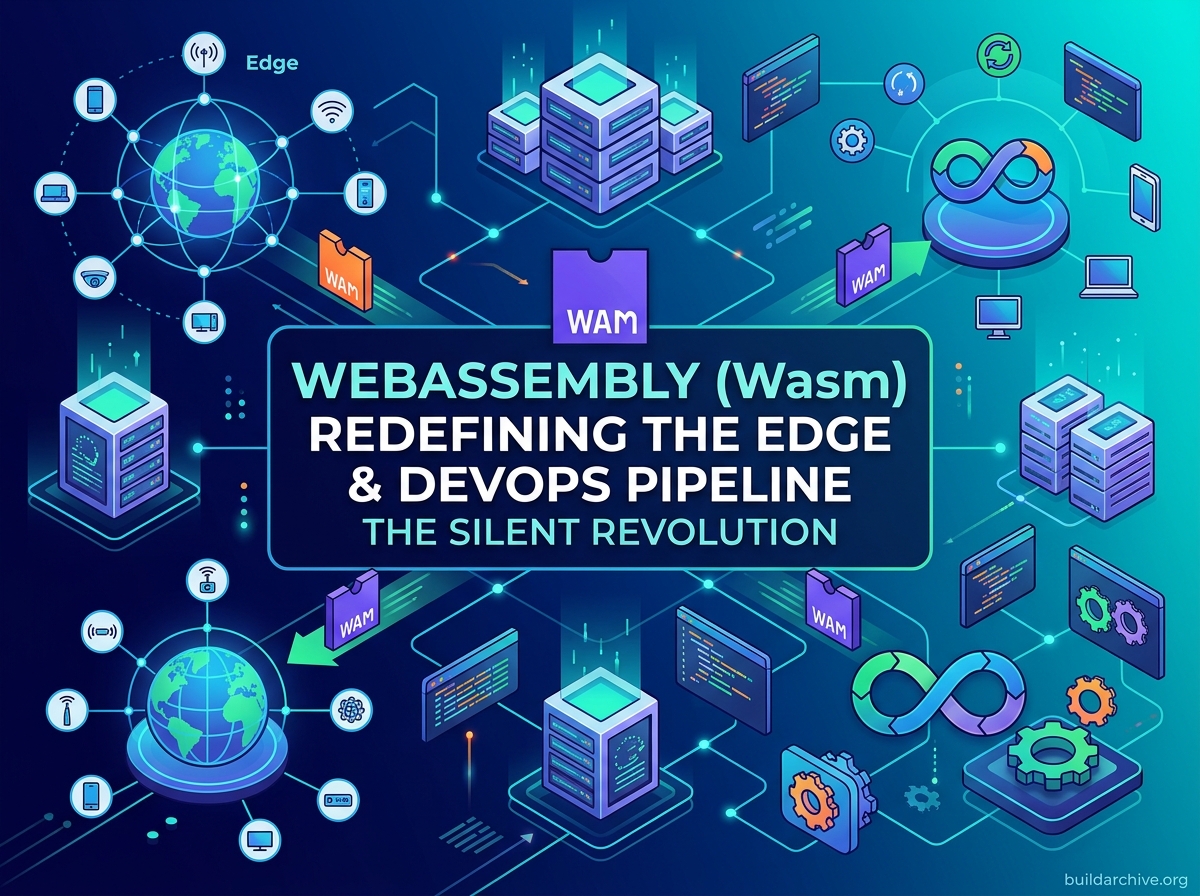
WebAssembly at the Edge: What Wasm Changes for the DevOps Pipeline

20 de February de 202614 de July de 2026 Cristóbal

Introduction Running a Proxmox homelab and shipping Node.js services to production has made me acutely aware of how much overhead we accept as normal —
Read More
Containers & Kubernetes

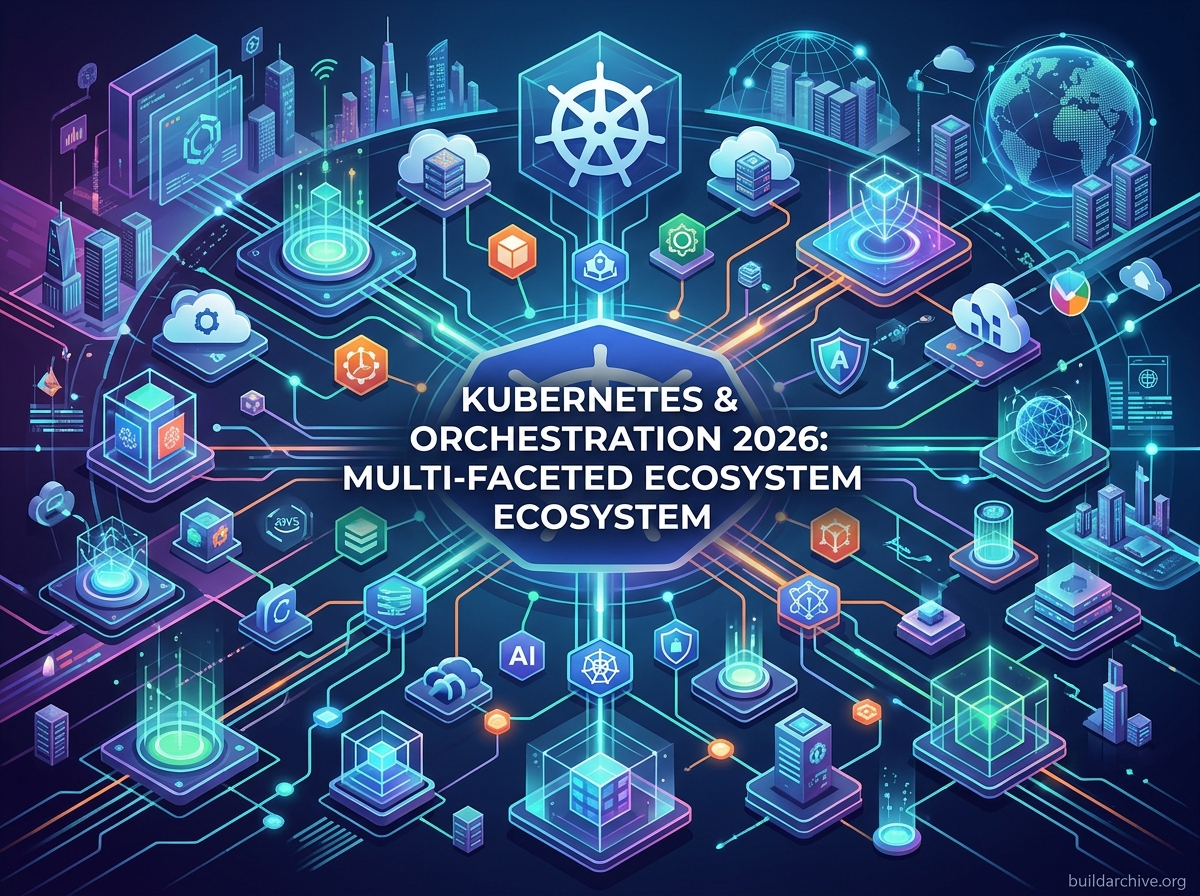
Kubernetes Beyond the Basics: Networking, Storage, Scheduling, and Autoscaling

17 de February de 202614 de July de 2026 Cristóbal

Introduction When I first started migrating services from bare Docker Compose setups on my Proxmox homelab to a proper Kubernetes cluster, the learning curve was

Read More
  • Architecture & Methods
  • Automation & Tooling
  • CI/CD & Delivery
  • Cloud & Scalability
  • Containers & Kubernetes
  • Infrastructure as Code
  • Observability & Performance
  • Privacy Policy
  • Cookie Policy
  • Terms and Conditions
  • Disclaimer
  • Legal Notice
  • Contact
© 2026 Build Archive. All rights reserved.
Manage Consent

To provide the best experiences, we use technologies like cookies to store and/or access device information. Consenting to these technologies will allow us to process data such as browsing behavior or unique IDs on this site. Not consenting or withdrawing consent, may adversely affect certain features and functions.

Functional Always active
The technical storage or access is strictly necessary for the legitimate purpose of enabling the use of a specific service explicitly requested by the subscriber or user, or for the sole purpose of carrying out the transmission of a communication over an electronic communications network.
Preferences
The technical storage or access is necessary for the legitimate purpose of storing preferences that are not requested by the subscriber or user.
Statistics
The technical storage or access that is used exclusively for statistical purposes. The technical storage or access that is used exclusively for anonymous statistical purposes. Without a subpoena, voluntary compliance on the part of your Internet Service Provider, or additional records from a third party, information stored or retrieved for this purpose alone cannot usually be used to identify you.
Marketing
The technical storage or access is required to create user profiles to send advertising, or to track the user on a website or across several websites for similar marketing purposes.
  • Manage options
  • Manage services
  • Manage {vendor_count} vendors
  • Read more about these purposes
View preferences
  • {title}
  • {title}
  • {title}